Connie Koepke: The Untold Story of Willie Nelson’s Former Wife, Family, and Life Beyond Fame

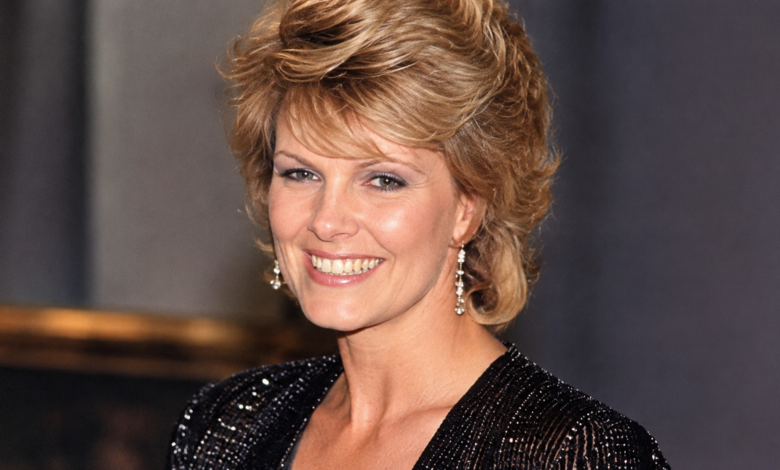
Connie Koepke is best known as the former wife of legendary American country music singer and songwriter Willie Nelson. Although she has never pursued the same level of public attention as her famous former husband, her place in his personal history is significant. She was part of Nelson’s life during an important period of his musical development, became the mother of two of his daughters, and was connected to the family life that existed behind his extraordinary career.
For many people searching for Connie Koepke, the main questions concern her marriage to Willie Nelson, their children, her professional activities, and what happened after their divorce. Yet her story is more interesting than simply being described as the former wife of a country music superstar.
One particularly interesting detail comes from the history of Nelson’s celebrated 1975 album Red Headed Stranger. According to an essay published by the Library of Congress, Koepke suggested developing the album around a cowboy-movie-style concept when Nelson was considering what music to record for his new label. The suggestion helped inspire one of the most important recordings of his career. The Library of Congress
Despite these documented connections, relatively little reliable information is publicly available about Koepke’s early life, personal background, or everyday activities. Understanding her story therefore requires separating established facts from assumptions repeated across celebrity biography websites.
This article explores Connie Koepke’s background, relationship with Willie Nelson, motherhood, connection to country music history, professional credits, and life outside the spotlight.
Who Is Connie Koepke?
Connie Koepke is an American woman recognized primarily for her former marriage to Willie Nelson and her connection to the Nelson family. She became Nelson’s third wife in 1971, and their marriage ended in divorce in 1988.
During their marriage, the couple had two daughters, Paula Nelson and Amy Nelson. Both daughters developed connections to music, continuing an artistic tradition associated with their father.
Koepke’s name also appears in entertainment-related professional records. IMDb lists her under the alternative name Connie Koepke and identifies credits connected with producing and acting. One of the projects associated with her is the documentary Streetwise (1984). These records provide some evidence of professional involvement in entertainment, although they do not establish a complete picture of her career. IMDb
Unlike Willie Nelson, whose professional achievements and personal experiences have been extensively documented through interviews, books, documentaries, and music publications, Koepke has maintained a comparatively private public profile.
That difference is important when researching her biography. Not every detail about a celebrity’s relative or former spouse is necessarily available or independently verified.
Connie Koepke at a Glance
| Detail | Information |
|---|---|
| Name | Connie Koepke |
| Also associated with | Connie Nelson |
| Nationality | American |
| Known for | Former marriage to Willie Nelson |
| Former husband | Willie Nelson |
| Marriage year | 1971 |
| Divorce year | 1988 |
| Marriage duration | Approximately 17 years |
| Children | Paula Nelson and Amy Nelson |
| Professional connection | Film and entertainment credits |
| Public profile | Relatively private |
The available information establishes her family connections and some professional associations. However, widely repeated details about her birth date, birthplace, education, and private life should not be treated as confirmed without stronger documentation.
Connie Koepke and Willie Nelson: How Their Story Became Public
Willie Nelson is one of the most influential figures in American country music. Known for his distinctive voice, songwriting, guitar playing, and contributions to outlaw country, Nelson built a career that extended across music, acting, and public advocacy.
His personal life has also attracted considerable attention, particularly because of his multiple marriages and large family.
Connie Koepke became part of that story during the early 1970s. Nelson had previously been married to Martha Matthews and singer Shirley Collie. His marriage to Koepke followed the end of his relationship with Collie in 1971.
The relationship eventually became an important chapter in Nelson’s family history, lasting approximately 17 years.
According to the Country Music Hall of Fame and Museum, Nelson married Koepke in 1971, and they divorced in 1988. Country Music Hall of Fame and Museum
Their relationship coincided with a period when Nelson was establishing a distinctive musical identity. He was moving away from the traditional Nashville sound and developing a style that combined country music with influences from rock, folk, and other American musical traditions.
Koepke was therefore connected to a significant period in his personal and professional life.
Their Marriage in 1971
Connie Koepke and Willie Nelson married in 1971. At the time, Nelson was already an established songwriter and performer, although his greatest commercial successes were still ahead of him.
The following years brought major changes in his career.
Nelson released influential albums, developed a stronger connection with the Texas music scene, and gradually became one of the leading figures associated with outlaw country.
Their marriage continued through these developments, including the release of Shotgun Willie in 1973 and Red Headed Stranger in 1975.
These records helped establish Nelson as an artist who was willing to challenge the conventions of the country music industry.
Although Koepke was not the public face of his musical career, her documented involvement in the development of Red Headed Stranger demonstrates that her contribution to this period should not be overlooked.
Connie Koepke’s Connection to the Album Red Headed Stranger
One of the most fascinating aspects of Connie Koepke’s story is her connection to Red Headed Stranger, Willie Nelson’s landmark 1975 country music album.
The album became a defining achievement in Nelson’s career and is widely regarded as one of the most influential country records of its era.
Its creation also provides a documented example of Koepke’s involvement in Nelson’s creative world.
The Idea Behind the Album
In an essay prepared for the Library of Congress’s National Recording Preservation Board, music writer Joe Nick Patoski described how the album began taking shape.
During a drive home from a ski vacation in January 1975, Nelson told Koepke that he needed to deliver an album to Columbia Records but did not know what he wanted to record.
According to the essay, Koepke suggested creating a concept album inspired by a cowboy movie.
Nelson liked the idea. He began outlining a story about a preacher who murders his wife and her lover before going on the run. The concept eventually developed into the narrative behind Red Headed Stranger.
The album included songs such as:
- Blue Eyes Crying in the Rain
- Red Headed Stranger
- Can I Sleep in Your Arms
- Time of the Preacher
- Remember Me
Its restrained production and storytelling approach made it different from many contemporary country recordings.
The Library of Congress account specifically describes Koepke’s role in suggesting the concept and writing down Nelson’s ideas during their journey. The Library of Congress
Why This Contribution Matters
Koepke’s connection to the album is important because it offers a more complete understanding of her place in Nelson’s history.
She is frequently discussed only in relation to their marriage. However, this documented episode shows that she was also present during a creative moment that helped shape an important musical work.
It would be inaccurate to describe her as the album’s producer or sole creative force based on this account. Nelson developed the songs and recorded the project with his musicians.
Nevertheless, the original concept suggestion was a meaningful contribution.
For readers interested in Connie Koepke, this is one of the strongest documented details that makes her biography particularly noteworthy.
Connie Koepke’s Children With Willie Nelson
Family is another important part of Connie Koepke’s public story.
She and Willie Nelson had two daughters together: Paula Nelson and Amy Nelson.
Both grew up connected to a family in which music played an important role. Their father was not simply a successful entertainer but also a songwriter, guitarist, recording artist, and performer whose career continued to evolve over several decades.
Nelson has eight children in total, born through relationships with four women. Paula and Amy are the two daughters from his marriage to Koepke.
Paula Nelson is one of Connie Koepke and Willie Nelson’s two daughters.
She developed her own identity in the music industry as a singer, songwriter, and radio personality.
Growing up in the Nelson family meant being surrounded by a strong musical tradition. However, Paula established her own professional direction rather than relying exclusively on her father’s reputation.
She has performed country music and developed a career connected to songwriting and broadcasting.
Her relationship with her father’s musical legacy has also been visible through performances and family collaborations.
Paula’s career demonstrates how the influence of a musical household can continue across generations while allowing younger family members to develop their own artistic identities.
For people researching Connie Koepke, Paula is an important part of the story because she represents one of the family’s most visible connections to the next generation of country music.
Amy Nelson is Connie Koepke and Willie Nelson’s second daughter.
Like her sister, Amy developed an interest in music and became involved in creative projects.
She is associated with Folk Uke, a musical duo known for its distinctive acoustic sound and humorous songwriting. The group also connects her to a broader artistic family tradition.
Amy has participated in projects involving her father and other members of the Nelson family.
Her work demonstrates that the musical influence surrounding the family was not limited to Willie Nelson’s generation.
Amy has also been associated with animal welfare efforts connected to the family’s interests in animal protection and rescue.
Although her professional path differs from her father’s, she has developed her own place within the wider entertainment and music community.
The Importance of Paula and Amy in Connie Koepke’s Biography
Paula and Amy are central to understanding why Connie Koepke remains a subject of public interest.
Her connection to Willie Nelson is historically significant, but motherhood is an equally important part of her publicly documented family story.
Both daughters developed creative interests and became involved in music.
Their professional activities also demonstrate the continuing influence of the Nelson family’s artistic environment.
It is worth remembering that information about the daughters’ public careers does not automatically reveal the private details of their upbringing or their mother’s personal experiences as a parent.
Those details deserve careful treatment rather than unsupported assumptions.
Willie Nelson’s Career During His Marriage to Connie Koepke
To understand the period when Connie Koepke and Willie Nelson were married, it helps to look at the major developments in Nelson’s career.
Their marriage began in 1971 and continued until 1988. These years included some of the most important achievements in his professional life.
The Rise of Outlaw Country
During the 1970s, Willie Nelson became closely associated with the outlaw country movement.
This musical movement challenged the polished production style and commercial expectations associated with mainstream Nashville country music.
Artists increasingly wanted greater creative freedom, more control over recording decisions, and opportunities to experiment with different musical influences.
Nelson became one of the movement’s most recognizable figures.
His distinctive singing style, unconventional phrasing, and preference for stripped-down arrangements helped separate him from many traditional country performers.
Albums such as Shotgun Willie and Red Headed Stranger played major roles in establishing his reputation.
The Success of Red Headed Stranger
Released in 1975, Red Headed Stranger became a major turning point.
The album’s storytelling approach and minimal musical arrangements helped it stand apart from contemporary recordings.
The song “Blue Eyes Crying in the Rain” became a particularly important success and introduced Nelson’s music to an even wider audience.
The project also became part of the Library of Congress’s National Recording Registry in 2009, recognizing its cultural and historical significance. The Library of Congress
Koepke’s documented suggestion about the concept gives her a distinctive connection to this important moment.
Willie Nelson’s Growing Popularity
Nelson’s success continued throughout the late 1970s and 1980s.
He became known for collaborations, major performances, songwriting, and appearances in films.
His popularity extended beyond traditional country music audiences.
The Country Music Hall of Fame and Museum documents his work in films including The Electric Horseman (1979), Honeysuckle Rose (1980), Barbarosa (1982), and Songwriter (1984). Country Music Hall of Fame and Museum
These achievements took place during his marriage to Koepke.
His career was expanding, but the increasing demands of fame and touring also formed part of the wider context of his family life.
Why Did Connie Koepke and Willie Nelson Divorce?
Connie Koepke and Willie Nelson’s marriage eventually came to an end in 1988.
Although the exact private circumstances of their separation should not be simplified into a single explanation, Nelson’s own accounts provide some insight into the difficulties of their relationship.
Nelson has spoken openly about his complicated romantic history. In his autobiography, It’s a Long Story: My Life, he acknowledged that he had not always been faithful during his marriage to Koepke.
His reflections have helped explain why their relationship faced challenges, although they do not provide a complete account of Koepke’s personal feelings or perspective.
Willie Nelson’s Admission About His Relationships
Nelson’s personal life has attracted public attention partly because of his openness about past mistakes.
In his autobiography, he discussed his marriages and acknowledged that maintaining relationships was difficult while balancing his career and personal choices.
A 2015 profile by Biography.com also discusses his relationship history and his reflections on his marriage to Koepke. Biography
The important point is that their divorce should be understood in the context of the relationship’s documented history rather than through unverified celebrity gossip.
Their Divorce in 1988
The Country Music Hall of Fame and Museum confirms that Nelson and Koepke divorced in 1988.
Their separation ended a marriage that had lasted approximately 17 years. Country Music Hall of Fame and Museum
By this point, Nelson had become an internationally recognized country music star.
Their daughters, Paula and Amy, remained an important connection between the two families.
Nelson married Annie D’Angelo in 1991, following their relationship, which began after they met while working on the television film Stagecoach in 1986. Biography+1
It is important not to assume that every detail of the separation is publicly known. Koepke has not provided a widely documented personal account explaining the end of the marriage.
Connie Koepke’s Professional Life and Film Production Credits
Although Connie Koepke is most commonly associated with Willie Nelson, entertainment databases also connect her name with professional film projects.
These credits suggest that her interests and activities were not necessarily limited to being part of a famous musician’s family.
IMDb identifies Connie Koepke, also known as Connie Nelson, as a producer and actress. Its listed projects include Streetwise (1984), as well as other music-related screen appearances and production credits. IMDb
Her Connection to Streetwise
Streetwise is a 1984 documentary directed by Martin Bell.
The film examines the lives of young people living on the streets of Seattle and presents an intimate documentary portrait of their experiences.
It became an important work of American documentary filmmaking.
IMDb associates Connie Nelson with the film as a producer. However, a single database credit should not be expanded into claims about the precise nature of her responsibilities without additional production documentation.
The connection is nevertheless relevant because it provides an example of her involvement in a professional entertainment project.
Other Entertainment-Related Work
Connie Koepke’s entertainment-related records also include an appearance connected with Willie Nelson: You Don’t Think I’m Funny Anymore (2008).
Her name has been associated with additional music-related projects in entertainment databases.
These credits offer a limited but useful picture of her professional connections.
They also illustrate why it is misleading to describe her entire identity through her former marriage.
At the same time, there is not enough reliable public information to construct a detailed career timeline, establish a complete list of professional achievements, or confidently describe her current occupation.
A responsible biography should acknowledge those limitations.
Where Is Connie Koepke Now?
One of the most frequently searched questions about Connie Koepke concerns her life after divorcing Willie Nelson.
Unlike many people connected to major celebrities, Koepke has not maintained a highly visible public presence.
There is limited independently verified information about her current residence, daily activities, romantic relationships, or private circumstances.
Her comparatively low public profile means that many online articles repeat claims without providing reliable supporting evidence.
Life Away From Celebrity Attention
After the end of her marriage, Koepke was no longer publicly identified as Willie Nelson’s wife.
Nelson continued his musical career and eventually married Annie D’Angelo.
Koepke, meanwhile, has remained a comparatively private figure.
It would be inaccurate to suggest that she disappeared from public life entirely, particularly because entertainment-related records associate her name with later professional activities.
However, those records do not establish the details of her everyday life.
Does Connie Koepke Still Work in Entertainment?
There is no sufficiently comprehensive, independently verified public record establishing her current professional position.
Her historical film and entertainment credits demonstrate an association with the industry, but they do not confirm whether she continues to work in film production today.
Readers should distinguish between documented past credits and speculation about current employment.
Is Connie Koepke Active on Social Media?
There is no widely verified public social media account that can confidently be identified as her official personal profile.
Accounts using similar names should not automatically be assumed to belong to her.
Because she maintains a relatively private public identity, it is better to avoid presenting unverified accounts or personal information as facts.
Connie Koepke’s Net Worth and Financial Background
Another popular question concerns Connie Koepke’s net worth.
However, there is no reliable, publicly confirmed financial record establishing her personal wealth.
Some celebrity biography websites publish estimated net worth figures for people connected to famous entertainers. These numbers are often repeated without credible documentation, audited financial statements, or confirmation from the individuals concerned.
For that reason, assigning a specific dollar amount to Koepke would be misleading.
Did Her Marriage to Willie Nelson Make Her Wealthy?
Willie Nelson achieved considerable financial success through music sales, songwriting, concerts, film appearances, and other professional activities.
His career generated substantial income, although he also experienced financial difficulties, including a widely publicized dispute with the Internal Revenue Service during the early 1990s.
However, Nelson’s financial history does not establish Koepke’s personal net worth.
Without reliable information about her assets, earnings, investments, or financial arrangements, it is impossible to provide an accurate estimate.
The most responsible answer is that Connie Koepke’s net worth remains publicly unconfirmed.
Connie Koepke’s Relationship With the Nelson Family
Although Koepke and Willie Nelson divorced in 1988, their shared family history remains an important part of their biographies.
Their daughters, Paula and Amy, connect the two parents through generations of family experiences and musical interests.
Her Connection to Willie Nelson’s Eight Children
Willie Nelson has eight children from relationships with four women.
His children include:
| Child | Mother | Publicly known connection |
|---|---|---|
| Lana Nelson | Martha Matthews | Film and costume-related work |
| Susie Nelson | Martha Matthews | Author and broadcaster |
| Billy Nelson | Martha Matthews | Late son |
| Paula Nelson | Connie Koepke | Singer and songwriter |
| Amy Nelson | Connie Koepke | Musician |
| Lukas Nelson | Annie D’Angelo | Singer and songwriter |
| Micah Nelson | Annie D’Angelo | Musician and visual artist |
| Renee Butts | Mary Haney | Daughter identified later in Nelson’s life |
This family information is documented in profiles of Nelson and his children. People.com+1
Koepke’s position within this family is particularly significant because she is the mother of two daughters who developed their own creative careers.
Her Connection to Willie Nelson’s Musical Legacy
Willie Nelson’s musical influence has extended well beyond his own recordings.
His children have participated in music, entertainment, writing, and other creative activities.
Paula and Amy are part of this wider artistic family.
Their involvement in music helps explain why people continue searching for information about Koepke even decades after her divorce from Nelson.
Her name is connected to a family whose creative history has become part of American country music culture.
However, her own identity should not be reduced to her former husband’s achievements or her daughters’ careers.
She has a personal history that extends beyond the public information currently available.
What Makes Connie Koepke an Interesting Biography Subject?
At first glance, Connie Koepke might appear to be another former celebrity spouse whose public identity depends almost entirely on a famous partner.
A closer look reveals several interesting aspects of her story.
She Was Present During a Defining Musical Period
Koepke was married to Nelson during a particularly important period in his career.
The 1970s brought major artistic changes, influential albums, and growing recognition.
Her suggestion for the concept behind Red Headed Stranger provides a documented connection to this creative period.
She Raised Two Daughters Connected to Music
Her daughters, Paula and Amy, developed their own musical interests and professional activities.
Their careers demonstrate the continuing creative influence within the Nelson family.
She Has Entertainment Industry Associations of Her Own
Her film-related credits, including the association with Streetwise, provide evidence of professional involvement beyond her family connections.
These details deserve recognition even though a complete account of her career is not publicly available.
She Has Maintained a Private Public Identity
Perhaps the most distinctive aspect of Koepke’s public story is how little verified information exists about her private life.
In an age when celebrity relationships and family details are frequently discussed online, her comparatively limited public presence is notable.
It also creates a responsibility for writers to avoid filling information gaps with invented stories.
Connie Koepke and Willie Nelson: A Timeline of Important Events
The following timeline brings together the most relevant publicly documented milestones associated with Koepke and Nelson.
| Year | Event |
|---|---|
| 1971 | Connie Koepke married Willie Nelson |
| 1973 | Nelson released Shotgun Willie |
| 1975 | Red Headed Stranger was released; Koepke’s concept suggestion was documented |
| 1979 | Nelson appeared in The Electric Horseman |
| 1980 | Nelson starred in Honeysuckle Rose |
| 1984 | Koepke was associated with the documentary Streetwise |
| 1988 | Koepke and Nelson divorced |
| 1991 | Nelson married Annie D’Angelo |
| 2008 | Koepke appeared in entertainment records connected with a Willie Nelson music video |
Sources include the Country Music Hall of Fame and Museum, Library of Congress, and IMDb. Country Music Hall of Fame and Museum+2
This timeline focuses on established milestones rather than attempting to assign dates to personal events that have not been reliably documented.
Frequently Asked Questions About Connie Koepke
1. Who is Connie Koepke?
Connie Koepke is best known as the former wife of country music legend Willie Nelson. They married in 1971, divorced in 1988, and had two daughters together, Paula Nelson and Amy Nelson. She is also associated with film and entertainment production credits.
2. Was Connie Koepke Willie Nelson’s wife?
Yes. Connie Koepke was Willie Nelson’s third wife. Their marriage began in 1971 and ended in divorce in 1988. Nelson later married Annie D’Angelo in 1991.
3. How many children does Connie Koepke have with Willie Nelson?
Connie Koepke and Willie Nelson have two daughters together: Paula Nelson and Amy Nelson. Both daughters have developed connections to the music industry.
4. Who are Connie Koepke’s daughters?
Her daughters are Paula Nelson and Amy Nelson. Paula is known for her work as a singer, songwriter, and radio personality. Amy is associated with music projects, including the duo Folk Uke.
5. Did Connie Koepke help Willie Nelson create Red Headed Stranger?
Yes. According to an essay published by the Library of Congress, Koepke suggested developing a cowboy-movie-style concept album while Nelson was considering what to record for Columbia Records in 1975. Her suggestion helped inspire the album’s storyline.
6. When did Connie Koepke and Willie Nelson divorce?
They divorced in 1988 after approximately 17 years of marriage. Their relationship had begun in 1971.
7. What does Connie Koepke do for a living?
Connie Koepke has been associated with film and entertainment projects. IMDb lists producer and acting credits connected with projects including Streetwise. Her current occupation has not been reliably established through comprehensive public information.
8. What is Connie Koepke’s net worth?
Her net worth has not been publicly confirmed through reliable financial information. Figures published on some celebrity websites should be treated as estimates rather than verified facts.
9. Is Connie Koepke still married to Willie Nelson?
No. Their marriage ended in 1988. Willie Nelson married Annie D’Angelo in 1991, and they remain his publicly documented married partner.
10. Where is Connie Koepke today?
Connie Koepke maintains a relatively private public profile. There is limited verified information about her current residence, daily activities, and personal circumstances. It is therefore not appropriate to make unsupported claims about her present lifestyle.
Conclusion: The Story of Connie Koepke
Connie Koepke remains an interesting figure in the history of Willie Nelson’s personal life and musical journey. Although she is not as publicly recognized as her former husband, her story includes several meaningful connections to his career and family.
Her marriage to Nelson lasted approximately 17 years and produced two daughters, Paula and Amy, who later developed their own connections to music. She was also present during an important period of Nelson’s artistic development and suggested the cowboy-movie concept that helped inspire his celebrated album Red Headed Stranger.
Beyond her family connections, entertainment records associate Koepke with film production and other creative projects, offering a glimpse into her professional interests.
Much about her early life and present circumstances remains private. Rather than relying on unsupported claims about her age, wealth, relationships, or lifestyle, it is more valuable to recognize what the historical record actually establishes.
Ultimately, Connie Koepke’s story is about more than being Willie Nelson’s former wife. It is also about family, personal connections, creative influence, and a place in the history of one of country music’s most important artists.
You may also read




One Comment