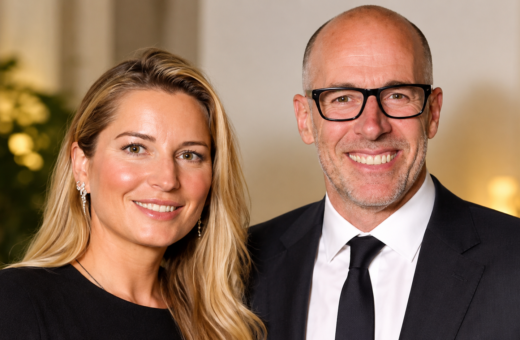
When people search for Lloy Coutts, they may be looking for information about a South African media professional whose career spans traditional journalism, newspaper publishing, broadcasting, digital media, and artificial intelligence. The name is also commonly written as Lloyd Coutts, which is the spelling used in his professional profiles and much of his published work.
Lloyd Coutts has spent several decades working in the media industry, building experience across different forms of communication and editorial production. From reporting and editing newspaper stories to helping organizations understand modern publishing technologies, his professional journey reflects the significant changes that have transformed journalism.
Unlike celebrities who become famous through television appearances or entertainment projects, Coutts is primarily recognized for his professional contributions. His experience includes working with established South African publications, participating in major newspaper launches and redesigns, and developing media strategies for organizations navigating an increasingly digital environment.
In recent years, another important aspect of his work has attracted attention: artificial intelligence. As AI tools become increasingly common in newsrooms and publishing businesses, Coutts has explored how these technologies can improve productivity while maintaining the accuracy, credibility, and editorial judgment that responsible journalism requires.
This article explores what is publicly known about Lloy Coutts, his professional background, educational qualifications, journalism career, media consultancy, and growing interest in artificial intelligence. It also separates verified professional information from personal details that have not been reliably documented.
Who Is Lloy Coutts?
Lloy Coutts is a name associated with Lloyd Coutts, a South African journalist, publishing specialist, media strategist, and consultant. He is based in Johannesburg and is known for his extensive experience in the country’s newspaper, broadcasting, and digital publishing industries.
His professional background covers several different newsroom responsibilities. These include working as a reporter, sub-editor, news editor, assistant editor, and acting editor. Such positions require different abilities, ranging from identifying important stories and checking information to managing editorial teams and ensuring that published material meets professional standards.
Coutts has also worked beyond traditional journalism. His experience includes public relations, investor relations, publishing consultancy, media strategy, and professional training.
He is the Managing Director of Coutts Media and Training, a business associated with editorial consulting, publishing support, and media-related services.
One reason his career is interesting is that it demonstrates how journalism experience can remain valuable as communication technologies change. Instead of focusing exclusively on traditional newspapers, Coutts has expanded his professional interests into digital publishing and artificial intelligence.
It is important to clarify that the spelling Lloy Coutts appears in some online searches, while Lloyd Coutts is the spelling found in established professional profiles. This article uses the requested keyword while referring to the documented professional identity.
Quick Facts About Lloy Coutts
The following table summarizes the professional information that can be supported by publicly available sources.
| Category | Details |
|---|---|
| Name commonly used professionally | Lloyd Coutts |
| Search keyword | Lloy Coutts |
| Nationality | South African professional |
| Location | Johannesburg, South Africa |
| Profession | Journalist, media strategist, publishing consultant |
| Industry | Journalism, media, publishing and communications |
| Education | BA Honours in Journalism and Media Studies |
| University | University of the Witwatersrand |
| Business | Coutts Media and Training |
| Professional position | Managing Director |
| Experience | Approximately four decades in media |
| Areas of expertise | Editorial management, publishing, AI and media strategy |
These details describe his professional background rather than his private life. His publicly available profiles provide considerably more information about his work than about his family or personal circumstances.
Early Life and Background
There is limited reliable public information about Lloy Coutts’ early life. His exact birth date, childhood experiences, parents, and upbringing have not been established through sufficiently reliable biographical sources.
For that reason, it would be misleading to provide a detailed childhood story or claim that particular personal experiences influenced his career without supporting evidence.
What is better documented is his educational and professional development. His academic background in journalism and media studies provided a foundation for a career in an industry where research, communication, accuracy, and editorial judgment are essential.
Journalism is a demanding profession because it requires more than the ability to write interesting stories. Professionals must understand how to evaluate information, identify reliable sources, recognize public interest, and communicate complicated subjects in a clear and understandable way.
These skills become particularly important when journalists move into senior editorial positions.
Coutts’ subsequent work across reporting, editing, publishing, and media consulting demonstrates the breadth of his professional experience.
Although the details of his early personal life remain private, his professional record offers a meaningful picture of the experience he has developed over the years.
Educational Qualifications and Journalism Training
Education has played an important role in the professional background of Lloyd Coutts.
His publicly documented academic qualification includes a Bachelor of Arts Honours degree in Journalism and Media Studies from the University of the Witwatersrand, commonly known as Wits.
Educational background: University of the Witwatersrand, Johannesburg, South Africa.
The qualification is relevant because journalism and media studies combine practical communication skills with a broader understanding of how information moves through society.
Students in this field generally explore subjects such as:
- News reporting and writing.
- Media institutions and communication.
- Research and information gathering.
- Editorial judgment.
- Journalism ethics.
- Media development and technology.
- The relationship between journalism and society.
These areas provide a foundation for working in newspapers, radio, television, online publications, and other communication environments.
Coutts’ career demonstrates how this academic foundation can be applied across different professional responsibilities.
His work has included producing editorial content, managing publishing processes, and helping organizations communicate effectively with their audiences.
His experience also extends into digital media management and the changing demands of modern publishing. A professional biography published through an industry interview also references a certificate in Digital Media Management from Rhodes University, although this qualification should be distinguished from the honours degree documented in his principal professional profile.
Journalism Career: Building Experience Across South African Media
The most substantial part of Lloy Coutts’ documented professional story is his long career in journalism.
According to the World Association of News Publishers (WAN-IFRA), he has spent nearly 40 years working in the media industry. His experience includes newspaper journalism, radio, television, news agencies, and online publishing.
This variety is significant because each media environment has its own demands.
A newspaper journalist must understand reporting, deadlines, editing, and page production. Radio professionals need to communicate information clearly and efficiently for listeners. Television news introduces additional responsibilities involving visual storytelling, production, and broadcast presentation.
Working across these environments gives an experienced media professional a wider understanding of how audiences consume information.
Working With Established Newspapers
During his career, Coutts worked with several recognized South African publications, including:
- Eastern Province Herald
- Business Day
- The Star
- Business Report
- Sunday World
These publications cover different areas of journalism, including general news, business reporting, public affairs, and broader social issues.
His professional experience at these organizations included multiple editorial responsibilities.
Working as a reporter involves finding stories, interviewing relevant people, checking information, and preparing news reports. A sub-editor focuses on improving written material, checking accuracy, correcting language, and ensuring that stories meet publication standards.
News editors and assistant editors have additional responsibilities. They help organize newsroom operations, coordinate coverage, manage editorial priorities, and make decisions about which stories deserve attention.
Coutts’ experience across these positions demonstrates that his professional background extends beyond simply writing articles.
It also reflects the importance of understanding the complete editorial process, from the initial idea to the final published story.
Experience in Radio and Television
Newspapers were not the only part of his professional journey.
WAN-IFRA also identifies his work with Classic FM, Network Radio News, and the German Press Agency (dpa). His background additionally includes television news experience at eNCA, as documented in his professional biography published by Good Governance Africa.
Radio journalism requires a different communication approach from print.
Listeners cannot always go back and reread a sentence, so information must be organized clearly. News professionals need to communicate the essential facts without unnecessary complexity.
Television introduces another dimension because spoken reporting is combined with images, video footage, and production elements.
Experience across these formats helps explain why Coutts is described as a media strategist and publishing specialist rather than someone associated with only one type of journalism.
Newspaper Launches and Editorial Projects
Another important part of the Lloy Coutts professional background is his involvement in launching or redesigning established media products.
According to WAN-IFRA, he contributed to projects involving:
- Saturday Star
- Sunday Independent
- Sowetan
- Sunday World
Launching a newspaper or redesigning an established publication requires significant planning.
A media organization must understand its audience, identify the publication’s editorial direction, organize its content, and develop a presentation that communicates its identity effectively.
The process may involve decisions about:
- Editorial positioning and target readership.
- News coverage and section organization.
- Newspaper design and presentation.
- Content planning and production schedules.
- Editorial staffing and newsroom coordination.
- The publication’s relationship with its readers.
A redesign also requires understanding what existing readers value while identifying opportunities to make a publication more relevant.
Coutts’ involvement in these projects is an important professional detail because it demonstrates experience in media development, not simply day-to-day newsroom work.
It also helps explain his later interest in publishing consultancy and editorial strategy.
Work at Good Governance Africa
An important chapter in the career of Lloyd Coutts involved Good Governance Africa, a non-profit organization focused on governance and public-interest issues.
He served as its Director of Publications.
This position connected his journalism experience with research-led publishing and communication about governance, institutions, and African development.
Good Governance Africa publishes analysis and material addressing subjects that affect the continent. Such work requires careful handling of evidence, complex political and economic subjects, and information intended to help readers understand important public issues.
Coutts’ responsibilities in this environment were related to publications and media.
His professional biography on the organization’s website describes his extensive journalism experience and confirms his background in newspapers, radio, television, and wire services.
His published editorial notes also provide examples of his involvement in discussing the role of journalism in society.
For instance, in a January 2020 editorial note for Africa in Fact, he discussed the importance of understanding African history when examining the continent’s present circumstances.
In another editorial note published in May 2020, he highlighted the importance of independent news media in supporting democracy and public accountability.
These examples illustrate how his professional interests extended beyond the mechanics of publishing to wider questions about journalism’s place in society.
Coutts Media and His Consulting Career
After developing extensive experience in journalism and publishing, Coutts also established a professional identity in media consultancy.
He is identified by WAN-IFRA as the Managing Director of Coutts Media and Training.
The business reflects his work as a media strategist, publishing specialist, and consultant.
Consultancy differs from traditional newsroom employment because it involves helping other organizations solve communication and publishing challenges.
Depending on the organization, this work may include editorial planning, writing, editing, publication development, communication strategies, and training.
What Does Coutts Media Do?
Coutts Media operates in an environment where businesses and publishers need to produce information efficiently without sacrificing quality.
Its professional activities include areas such as:
- Editorial and publishing consultancy.
- Writing and editing.
- Media strategy.
- AI-related editorial systems.
- Professional training.
- Communication and public relations support.
- Business and organizational consulting.
An important part of understanding Lloy Coutts is recognizing that his professional work is not limited to reporting news.
His experience allows him to approach communication from different perspectives, including the needs of journalists, editors, publishers, businesses, and audiences.
Public and Investor Relations
Coutts’ experience also includes public relations and investor relations.
Public relations focuses on how organizations communicate with the public, journalists, employees, and other stakeholders.
Investor relations has a more specific purpose: communicating relevant financial and organizational information to investors and the wider investment community.
Both areas require clear communication and an understanding of how information influences public perception.
A professional with a journalism background can bring useful editorial skills to these fields, particularly when explaining complicated information in an accessible way.
For Lloy Coutts, these activities represent an extension of his media experience into broader business communication.
Lloy Coutts and Artificial Intelligence
One of the most interesting developments in the professional life of Lloy Coutts is his growing involvement in artificial intelligence.
AI has become an important subject across journalism and publishing. Newsrooms are exploring tools that can assist with research, content organization, transcription, translation, editing, and other repetitive tasks.
However, introducing AI into journalism also creates serious questions about accuracy, editorial responsibility, transparency, and the reliability of information.
Coutts has publicly discussed these issues through his professional writing and consultancy work.
His interest is particularly relevant because he approaches AI from the perspective of someone with substantial experience in traditional media.
Why Did He Become Interested in AI?
In a 2025 interview with Anne Taylor, published as part of the LinkedIn series AI&Me: Candid Conversations, Coutts discussed his early experiments with generative AI.
The interview reports that he began using GPT-3 in 2021, recognizing that artificial intelligence could significantly affect the media industry.
His approach was based on learning about the technology rather than ignoring it.
The important distinction is that understanding a new tool does not mean accepting everything it produces.
AI systems can generate useful material, organize information, and reduce the time required for certain tasks. However, they can also produce inaccurate statements, misunderstand context, or present unsupported information with confidence.
For a journalist, these limitations are especially important.
A published error can damage a person’s reputation, mislead readers, and weaken trust in a publication.
This is why editorial oversight remains essential even when advanced technology is involved.
AI-First Editorial Systems
Coutts’ current consulting interests include AI-first editorial systems for newsrooms, research teams, and small and medium-sized businesses.
These systems aim to integrate artificial intelligence into professional workflows.
Rather than treating AI as a replacement for every human task, an editorial system can use technology to support different stages of content production.
For example, an organization might use AI to:
- Organize incoming research material.
- Create preliminary content outlines.
- Assist with transcription.
- Sort information into relevant categories.
- Prepare initial document drafts.
- Support editorial workflow management.
- Reduce repetitive administrative tasks.
The resulting material still requires appropriate review.
Human editors must evaluate the accuracy of information, check sources, consider context, and make decisions about what should be published.
This distinction is central to responsible AI adoption.
Training Businesses to Use AI Responsibly
Coutts also works with organizations interested in understanding and implementing artificial intelligence.
His professional activities include conducting workshops, developing customized GPTs for particular use cases, and coaching editors and researchers on safe AI adoption.
This type of training is valuable because organizations often introduce new technologies before establishing clear rules for their use.
Employees may begin using public AI platforms without understanding what information can safely be shared or how generated material should be checked.
Responsible AI training can help businesses establish better practices.
These may include:
- Protecting confidential information.
- Checking AI-generated claims against reliable sources.
- Reviewing outputs before publication.
- Understanding the limitations of automated systems.
- Establishing clear organizational guidelines.
- Maintaining human responsibility for important decisions.
For journalism organizations, these principles are particularly important because credibility is one of their most valuable assets.
The Cyborg Chronicles and His Interest in Technology
Lloyd Coutts has also developed a public writing presence through The Cyborg Chronicles, a newsletter associated with his commentary on artificial intelligence, technology, and society.
His writing explores how emerging technologies affect professional industries and everyday life.
The subjects associated with his published work include:
- Artificial intelligence and journalism.
- The future of digital employment.
- Technology and economic development.
- AI governance.
- The relationship between technology and society.
- Digital transformation in Africa.
His published articles demonstrate an interest in explaining complicated developments to general readers.
This is consistent with the communication skills developed through a long journalism career.
Topics Explored in His AI Writing
His published work includes discussions about data scarcity in artificial intelligence, the impact of AI on legal professions, and the challenges of developing responsible AI policies.
Muck Rack also lists several of his articles published through Substack and other platforms.
One example is his January 2025 article about Kenya’s position in Africa’s artificial intelligence landscape.
Another is his discussion of how the role of think tanks may become more important as traditional journalism faces challenges.
These topics show that his interest in AI extends beyond the use of writing assistants.
He is also interested in the broader consequences of technological change, including economic opportunities, governance, information quality, and the future of professional work.
His Approach to Journalism in a Changing Digital World
Journalism has changed dramatically over the past few decades.
Traditional newspapers once served as one of the main ways people received daily news. Today, audiences can access information through websites, social media, mobile applications, newsletters, podcasts, and video platforms.
This transformation has created opportunities but has also introduced new challenges.
Publishers must compete for attention, adapt their business models, and respond to changing audience expectations.
At the same time, the amount of information available online has made it more difficult for readers to distinguish reliable reporting from misleading content.
The experience of Lloy Coutts provides an interesting perspective on these changes.
Having worked across newspapers, radio, television, and digital publishing, he has professional experience in several generations of media technology.
His involvement in AI-related consultancy represents another stage of this development.
Why Editorial Accuracy Still Matters
Technology can help journalists work faster, but speed is not the same as accuracy.
An AI-generated article may look polished while containing incorrect details. A summary may omit important context, and an automated research process may rely on weak or outdated sources.
Professional editorial judgment remains necessary.
A responsible publishing process should include:
- Identifying trustworthy original sources.
- Checking names, dates, and statistics.
- Separating confirmed information from speculation.
- Reviewing context and possible bias.
- Making corrections when errors are identified.
- Maintaining accountability for published material.
These principles are not new. They have been important to journalism long before generative AI became widely available.
The challenge is applying them consistently in a more automated environment.
This is one reason the combination of editorial experience and technological understanding is relevant to Coutts’ current professional direction.
What Makes Lloy Coutts’ Career Interesting?
There are several reasons his professional background attracts interest.
1. Experience Across Multiple Media Formats
His career includes newspapers, radio, television, news agencies, and online publishing.
This range provides a broader perspective on how information is produced and distributed.
2. Editorial Leadership
His work as a news editor, assistant editor, and acting editor demonstrates experience with the organizational side of journalism.
3. Involvement in Newspaper Development
His participation in launching or redesigning major South African publications adds another dimension to his professional record.
4. Research-Led Publishing
His work with Good Governance Africa connects his editorial background with public-interest research and governance-related communication.
5. Interest in Artificial Intelligence
His work with AI-first editorial systems shows an interest in adapting established publishing practices to new technology.
6. Professional Training and Consultancy
Through Coutts Media and Training, his work extends into helping organizations improve communication, publishing, and technology adoption.
Taken together, these areas explain why Lloy Coutts is better understood as an experienced media professional than simply a newspaper journalist.
Personal Life: What Is Publicly Known?
People searching for Lloy Coutts may also want to learn about his age, family, marriage, children, and background.
However, publicly available professional sources provide limited verified information about these subjects.
His professional biographies concentrate on his qualifications, employment history, media projects, and consultancy activities.
There is no sufficiently reliable information in the sources reviewed to establish his exact date of birth, current age, marital status, or family details.
It is therefore inappropriate to assign him a specific age or identify relatives based on assumptions or unrelated online references.
This distinction matters because a professional biography should provide useful information without turning unverified personal claims into facts.
The strongest documented information about Coutts concerns his career and contributions to media and publishing.
Is Lloy Coutts Still Working in Media?
Public professional information indicates that Lloyd Coutts is associated with Coutts Media and Training and continues to be involved in media consultancy, publishing, and AI-related work.
His professional profile describes him as a media and AI consultant.
His more recent interview with Anne Taylor also discusses his current work with editorial systems, business consulting, writing, editing, and AI training.
These activities suggest that his professional interests have developed alongside the wider transformation of the media industry.
For the latest information about his services, professional activities, and published commentary, readers can consult his business website and professional profiles.
The Professional Influence of Lloy Coutts
Measuring someone’s professional influence is not always about awards, celebrity status, or public recognition.
In journalism, influence can also be reflected in editorial leadership, the development of publications, the quality of professional work, and the knowledge shared with others.
Coutts’ documented career covers several of these areas.
His involvement in established South African publications represents one part of his professional contribution. His work at Good Governance Africa represents another, while his consultancy and AI training activities reflect a continuing interest in the future of publishing.
His experience also illustrates a broader lesson about professional development.
People working in established industries cannot always depend on the methods that made them successful in the past. New technologies, audience expectations, and business models require continuous learning.
For someone with decades of experience in journalism, exploring artificial intelligence represents an opportunity to apply traditional editorial knowledge to a new technological environment.
The long-term impact of AI on journalism is still developing, but the need for accurate information and responsible communication remains important.
That connection between traditional editorial standards and modern technology is one of the most relevant aspects of the Lloy Coutts professional story.
Frequently Asked Questions About Lloy Coutts
1. Who is Lloy Coutts?
Lloy Coutts is the search spelling commonly associated with Lloyd Coutts, a South African journalist, media strategist, publishing specialist, and AI consultant. He has approximately four decades of experience in journalism and media.
2. What is Lloyd Coutts known for?
He is known for his work in South African newspapers, broadcasting, editorial management, publishing consultancy, and artificial intelligence. He has also contributed to the launch or redesign of several established newspaper publications.
3. Where is Lloy Coutts from?
Professional profiles associate Lloyd Coutts with Johannesburg, South Africa. His work has primarily been connected with the South African media and publishing industries.
4. What is Lloyd Coutts’ educational background?
He holds a BA Honours degree in Journalism and Media Studies from the University of the Witwatersrand. A professional interview also identifies a certificate in Digital Media Management from Rhodes University.
5. What companies has Lloyd Coutts worked with?
His professional background includes publications and media organizations such as Business Day, The Star, Business Report, Sunday World, Classic FM, Network Radio News, the German Press Agency, and eNCA. He has also served as Director of Publications at Good Governance Africa.
6. What is Coutts Media?
Coutts Media and Training is associated with Lloyd Coutts and provides media-related consultancy and training. Its professional activities include publishing, editorial services, business communication, and artificial intelligence education.
7. Is Lloy Coutts involved in artificial intelligence?
Yes. He works on AI-related editorial systems, provides training, and discusses the effects of artificial intelligence on journalism and business. His interests include responsible AI adoption and improving professional workflows.
8. What is The Cyborg Chronicles?
The Cyborg Chronicles is a newsletter associated with Lloyd Coutts. It explores artificial intelligence, technology, and their effects on society, professional industries, and the future of work.
9. How old is Lloy Coutts?
His exact date of birth and age have not been reliably established in the public professional sources reviewed. Although his career spans approximately 40 years, that information should not be used to calculate or assume his age.
10. Is information about Lloy Coutts’ family publicly available?
There is limited verified information about his family, marriage, or children. Most available biographies focus on his professional achievements rather than his private life.
Conclusion
The story of Lloy Coutts, professionally known as Lloyd Coutts, offers an interesting look at a career built around journalism, publishing, communication, and technological change.
With approximately four decades of experience in South African media, he has worked across newspapers, radio, television, and digital publishing. His editorial responsibilities, involvement in major newspaper projects, and work with Good Governance Africa demonstrate the different dimensions of his professional background.
His more recent interest in artificial intelligence adds another important chapter to that journey. Through Coutts Media and Training, he has expanded into consultancy, professional education, and AI-supported editorial systems.
What makes his career particularly interesting is the connection between traditional journalism and modern technology. While publishing tools and audience habits continue to change, the fundamental importance of accurate information, responsible communication, and editorial judgment remains.
Although many personal details about Lloy Coutts are not publicly documented, his professional achievements provide a substantial picture of his contribution to the media industry.
For readers interested in journalism, publishing, and artificial intelligence, his career represents an example of how established professional experience can evolve alongside technological innovation.
YOU MAY ALSO READ