Heidi Van Pelt: Her Life, Career, Vegan Food Business, Marriage to Taran Noah Smith, and Where She Is Today

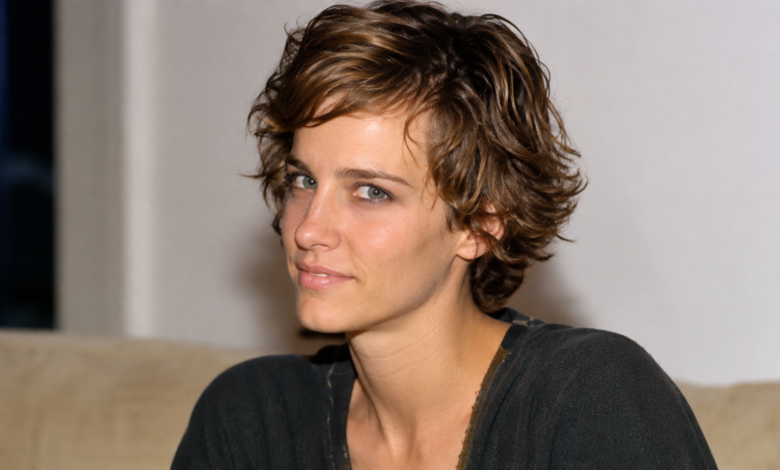
Heidi Van Pelt is a name that continues to attract attention from people interested in celebrity relationships, television history, and plant-based food entrepreneurship. She became widely recognized through her relationship with former Home Improvement actor Taran Noah Smith, who played Mark Taylor on the popular American sitcom. However, her story extends beyond her connection to a familiar television personality.
Heidi Van Pelt developed an interest in vegetarian and vegan food, explored different professional opportunities, and eventually became involved in creating plant-based food products. Her work with Playfood, a vegan food business specializing in cashew-based cheese alternatives, gave her an identity beyond entertainment headlines. She later returned to Kansas City, Missouri, where she established Füd, a restaurant focused on vegan comfort food.
Her relationship with Smith attracted considerable media attention because of their approximately 16-year age difference. Their marriage ceremony in 2001 became controversial, and their relationship eventually developed into a complicated personal and business dispute. The couple’s shared involvement in Playfood also became part of their public story.
Despite the attention surrounding those events, Heidi Van Pelt has maintained a relatively private public profile in recent years. Reliable information about her current occupation, personal relationships, and financial circumstances remains limited.
This biography explores Heidi Van Pelt’s early background, professional interests, vegan food ventures, relationship with Taran Noah Smith, business challenges, and life away from the entertainment spotlight. It also separates documented information from details that remain uncertain.
Who Is Heidi Van Pelt?
Heidi Van Pelt is an American former vegan food entrepreneur and chef best known for her involvement with Playfood and Füd, as well as her relationship with Taran Noah Smith.
Although many online searches introduce her primarily as Smith’s former wife, her professional activities deserve attention in their own right. She explored several career directions before concentrating on plant-based cooking and food production.
Her interest in vegan food developed before plant-based alternatives became as widely available as they are today. During the early 2000s, dairy-free cheese products were still relatively limited in mainstream grocery stores. Van Pelt saw an opportunity to develop alternatives using ingredients such as cashews.
Her work eventually connected her with local food communities, independent dining events, and commercial food production.
Heidi Van Pelt at a Glance
| Detail | Information |
|---|---|
| Full name | Heidi Van Pelt |
| Nationality | American |
| Birthplace | Missouri, United States, according to historical reporting |
| Profession | Former vegan chef and food entrepreneur |
| Known for | Playfood and Füd |
| Famous relationship | Taran Noah Smith |
| Marriage ceremony | April 27, 2001 |
| Former business | Playfood |
| Restaurant | Füd, Kansas City |
| Restaurant opening | 2010 |
| Restaurant closure | 2017 |
| Current occupation | Not reliably confirmed |
| Net worth | Not publicly verified |
These details reflect available historical reporting. An exact birth date, current financial position, and present professional activities have not been established through sufficiently reliable public sources.
Heidi Van Pelt’s Early Life and Educational Background
Heidi Van Pelt’s early life is not extensively documented in mainstream biographical publications. However, a detailed 2007 profile published by Kansas City’s The Pitch provides useful information about her education, interests, and early professional experiences.
According to that report, Van Pelt attended Oak Park and Blue Springs high schools in Missouri. She graduated in 1986 and initially pursued fashion design at Stephens College in Columbia, Missouri.
Her educational interests did not remain limited to fashion. She later explored German and philosophy at the University of Missouri before moving to Seattle in 1988 to study Russian Studies at the University of Washington.
The same profile reported that she left the program with one semester remaining. Her decision reflected an interest in exploring different possibilities rather than following one conventional professional route.
Her Interest in Creative Work
Before becoming associated with vegan food, Van Pelt explored creative and media-related opportunities.
She reportedly established a small media company called Emergent Films. However, when work became less available in Seattle, she relocated to Los Angeles in search of additional opportunities.
Her early professional experiences included working behind the scenes on television and film productions. The Pitch described her work in production assistance and prop-related roles.
These experiences introduced her to creative industries, but they did not become the defining part of her later career.
Discovering Vegan Cooking
Los Angeles played an important role in shaping Heidi Van Pelt’s professional direction.
She had already been vegetarian for several years before developing a stronger interest in vegan food. Through people involved in animal-rights activities, she became familiar with a lifestyle that excluded animal-derived ingredients, including dairy products and eggs.
This interest gradually developed into a practical passion for preparing plant-based meals.
Rather than treating vegan cooking simply as a personal dietary choice, Van Pelt began experimenting with recipes and organizing food gatherings. Her interest in creating alternatives to traditional dairy products would eventually become central to her business activities.
Heidi Van Pelt’s Career as a Vegan Food Entrepreneur
One of the most important parts of Heidi Van Pelt’s professional story is her involvement in the development of vegan food products.
During the early 2000s, plant-based eating was not as commercially established as it is today. People following vegan diets often had fewer choices when shopping for convenient alternatives to familiar foods.
Cheese was particularly challenging because many available substitutes did not provide the taste or texture consumers wanted.
Van Pelt experimented with cashews as a foundation for dairy-free cheese. This approach became the basis of her later work with Playfood.
Her professional identity increasingly revolved around food experimentation, catering, and creating products that could appeal to people beyond the established vegan community.
The Idea Behind Cashew-Based Cheese
Cashews can be blended into creamy mixtures that work well in various plant-based recipes. When combined with appropriate seasonings and other ingredients, they can provide an alternative to traditional cheese-based spreads and sauces.
Van Pelt developed a cashew cheese recipe before her business became publicly recognized.
The concept was relatively distinctive for its time. Instead of simply offering vegetables or conventional vegetarian meals, she wanted to create familiar foods using ingredients that did not come from animals.
This philosophy later became visible in her restaurant menus.
Her work is an interesting example of an earlier generation of independent vegan food entrepreneurship, when many plant-based businesses were still experimenting with products and trying to establish a reliable customer base.
Playfood: Heidi Van Pelt’s Plant-Based Business
Playfood became one of the most significant professional projects associated with Heidi Van Pelt.
The business developed from her interest in vegan cooking and the growing demand for better dairy-free alternatives. It eventually became a commercial venture involving product development, catering, and food production.
After Van Pelt and Taran Noah Smith moved back to Los Angeles in 2002, they jointly incorporated Playfood in Delaware.
According to the 2007 investigation published by The Pitch, Smith served as chairman and chief executive officer, while Van Pelt held the position of president.
What Did Playfood Sell?
Playfood focused on vegan food, particularly cashew-based cheese alternatives.
Its products included spreads designed to provide alternatives to conventional cheese sauces and other dairy-based foods.
The business also developed a recognizable promotional identity. Van Pelt and Smith used an orange van displaying the Playfood branding to promote their catering operation.
They attended events, introduced their products to potential customers, and organized food gatherings that helped build interest in their concept.
Growing Beyond a Small Catering Operation
Playfood gradually moved beyond informal food events.
The company organized promotional dinners and catered gatherings, attracting people interested in alternative food experiences. Its activities connected with artists, musicians, and customers who wanted to explore vegan cuisine.
As demand increased, the business began pursuing more substantial food production.
Van Pelt eventually became involved in commercial manufacturing operations in the Kansas City area.
The 2007 Pitch feature reported that Playfood products were being sold in several local grocery stores, including Price Chopper, Balls, and Hen House. The article also reported interest from larger retailers, including Whole Foods.
These developments demonstrated that the business had moved beyond a small experimental kitchen.
Business Challenges and Disagreements
Playfood’s growth did not happen without difficulties.
The company became involved in financial and management disagreements between Van Pelt and Smith. Their personal relationship was also deteriorating during this period.
The 2007 reporting described competing claims about company funding, outstanding bills, business control, and responsibility for its financial difficulties.
Smith argued that Van Pelt had established another company without properly protecting his investment. Van Pelt disputed his position and maintained that her work and intellectual contribution to the product deserved recognition.
The disagreement eventually became a legal dispute.
It is important to understand that the contemporary article presented accounts from different people involved in the conflict. Their allegations should not be treated as independently established findings.
Playfood remains an important chapter in Heidi Van Pelt’s career because it demonstrates her involvement in developing and marketing plant-based food products, even though the business relationship eventually became difficult.
Heidi Van Pelt and Taran Noah Smith: Their Relationship
Heidi Van Pelt became widely known outside the food industry because of her relationship with American actor Taran Noah Smith.
Smith was recognized for portraying Mark Taylor, the youngest son in the television sitcom Home Improvement. The show became a major part of American television during the 1990s.
His connection with Van Pelt attracted significant media interest because he had been a child actor and was still a teenager when their relationship became public.
How Did Heidi Van Pelt Meet Taran Noah Smith?
According to The Pitch’s April 2007 profile, Van Pelt and Smith initially crossed paths when Smith was approximately 14 years old.
They met again at a movie premiere in 2000 and began talking about music, including their shared interest in Radiohead.
Smith later invited Van Pelt to his home to play music in his recording studio. Their relationship developed over the following months.
At the time, Van Pelt was approximately 32, while Smith was 16.
Their age difference became an important part of the public discussion surrounding their relationship.
Why Did Their Relationship Attract So Much Attention?
The approximately 16-year age gap was unusual and attracted widespread attention from entertainment publications.
Smith had grown up in front of television audiences, so his personal life was already interesting to people familiar with Home Improvement.
The relationship also developed during a period when Smith was transitioning from childhood into adulthood.
Their circumstances became even more controversial when Smith reportedly left his parents’ home and began living with Van Pelt.
The situation generated tabloid coverage and raised questions about his age, independence, and family circumstances.
Their Marriage Ceremony in 2001
Heidi Van Pelt and Taran Noah Smith held a marriage ceremony on April 27, 2001, in Kansas.
The ceremony received considerable attention because Smith was only 17 years old.
However, an important legal distinction is often overlooked in online biographies.
The 2007 investigation by The Pitch reported that a California judge rejected recognition of the marriage. The report explained that the legal requirements surrounding the couple’s ages and parental consent created a problem.
Consequently, although they publicly participated in a marriage ceremony and described themselves as married, the legal status of their union was more complicated than many short biographies suggest.
The distinction matters because not every online reference to their marriage accurately explains its legal background.
Their Life Together
After the ceremony, Van Pelt and Smith spent time in Kansas before returning to California.
Their relationship was connected to both personal interests and business ambitions. They shared an interest in vegan food and eventually worked together on Playfood.
However, their different ages and experiences created challenges.
Smith was moving away from his childhood acting career, while Van Pelt had already explored several professional directions.
Their shared business activities initially provided a common purpose, but financial disagreements and personal tensions eventually damaged their relationship.
Why Did Heidi Van Pelt and Taran Noah Smith Separate?
The relationship between Heidi Van Pelt and Taran Noah Smith eventually broke down during the middle of the 2000s.
Their separation was not simply a private disagreement. It became connected to their business interests, financial arrangements, and competing accounts of what had happened.
In the 2007 Pitch profile, both individuals described the relationship’s deterioration from their own perspectives.
Van Pelt discussed frustration with Smith’s lifestyle and their growing differences. Smith described disagreements about the relationship and the direction of their shared business.
The article also documented conflicts involving Playfood management and financial responsibilities.
The Business Dispute
One major source of tension involved the future of Playfood.
Van Pelt believed she had made important contributions to the product and business. Smith maintained that he had financially supported the operation and wanted appropriate control over the company.
Their disagreements eventually resulted in legal proceedings concerning the company’s operations and assets.
This dispute demonstrated how difficult it can become to separate personal relationships from commercial responsibilities.
When two people share a business, disagreements over ownership, money, management, and intellectual property can continue long after the relationship itself has ended.
What Happened After Their Separation?
The couple’s relationship was no longer functioning as a stable partnership by 2007.
Their separation coincided with continuing disagreements over Playfood.
Although many online articles describe the situation simply as a divorce, the legal history deserves more careful wording because the original ceremony had already faced recognition issues.
The most responsible description is that their relationship ended and that the two became involved in separation-related and business disputes.
Füd: Heidi Van Pelt’s Kansas City Vegan Restaurant
After her relationship with Smith became strained, Van Pelt continued pursuing her interest in vegan food.
One of her most recognizable professional projects was Füd, a restaurant in Kansas City’s West Side neighborhood. It represented a new opportunity to develop the kind of food business she had envisioned while working on Playfood.
Füd focused on a simple but appealing idea: familiar comfort foods could be recreated using plant-based ingredients without losing their enjoyable flavors.
How Füd Started
Before opening a permanent restaurant, Van Pelt experimented with smaller dining projects in Kansas City.
According to The Pitch’s April 2010 coverage, she organized underground dining events and operated a temporary food setup at Bad Seed Farm’s downtown market.
These activities allowed her to experiment with recipes, meet customers, and understand what local diners wanted.
The experience eventually helped her establish a permanent restaurant.
Füd opened as a standalone restaurant in April 2010 at 813 West 17th Street in Kansas City.
At the time, Van Pelt was identified as its chef-owner and operated the business with her partner, Jerimiah Rozzo-Belle.
What Made Füd Different?
Füd concentrated on vegan comfort food rather than limiting its menu to salads and traditional vegetarian dishes.
Its offerings included meatless tacos, lasagna, and plant-based versions of chicken-fried steak.
The restaurant also incorporated raw-food preparations and creative ingredient combinations.
One of its distinctive dishes involved raw tacos featuring wild rice, avocado, and cashew-based cheese.
The restaurant’s approach reflected Van Pelt’s broader philosophy: people should be able to enjoy recognizable meals while exploring alternatives to animal-derived ingredients.
Its menu helped introduce vegan cooking to customers who might not otherwise have considered visiting a fully plant-based restaurant.
The Restaurant’s Final Years
Füd operated in Kansas City’s West Side for approximately seven years.
However, the restaurant eventually encountered serious internal difficulties.
In August 2017, The Pitch published an investigation into the circumstances surrounding its closure. The report described disagreements involving Van Pelt, employees, and her business partner.
Several former employees made allegations about workplace conversations and management. Van Pelt disputed their characterization and presented her own explanation of the conflict.
Her business partner also described disagreements about the restaurant’s management and decision to close.
These were competing accounts, and they should be understood as such rather than treated as a single established explanation.
What is clear is that Füd closed in August 2017 following a major business dispute.
Its closure marked the end of the most visible restaurant chapter in Heidi Van Pelt’s publicly documented career.
Heidi Van Pelt’s Life After Füd Closed
Following Füd’s closure in 2017, Heidi Van Pelt largely disappeared from regular entertainment and business news coverage.
Unlike many individuals who become famous through relationships with television personalities, she did not maintain a consistent public presence.
There have been occasional online articles discussing her possible activities, but many provide no independently verifiable information.
This makes it difficult to establish what she has been doing professionally in recent years.
Is Heidi Van Pelt Still a Vegan Chef?
Van Pelt’s historical work clearly establishes her involvement in vegan cooking, recipe development, and food entrepreneurship.
She developed cashew-based cheese products and operated a restaurant dedicated to plant-based meals.
However, there is no sufficiently reliable recent reporting confirming that she currently operates a restaurant, manufactures vegan products, or works as a professional chef.
It would therefore be inaccurate to present an unverified business or occupation as her current career.
Where Is Heidi Van Pelt Today?
Heidi Van Pelt’s current residence is not reliably established through recent public reporting.
Her professional activities and personal circumstances have received limited coverage since Füd closed.
Although Kansas City was an important location in her career, that does not establish where she lives today.
She appears to have maintained a low public profile, and there is no reason to turn that lack of information into speculation about her private life.
Her story can be understood through her documented professional history without making unsupported claims about her current location or daily activities.
Heidi Van Pelt’s Age and Birthday
Questions about Heidi Van Pelt’s age are common because her relationship with Taran Noah Smith attracted attention partly due to their age difference.
However, her exact birth date has not been established through an authoritative public record reviewed for this biography.
The Pitch described Van Pelt as 32 when discussing her relationship with Smith in its 2007 historical account of events surrounding their 2001 marriage ceremony. The same article described her as 38 in its 2007 reporting.
These contemporary references provide a general picture of her age during that period, but they should not be used to manufacture an exact birthday.
Several biography websites publish specific birth dates, but repeating those details without reliable supporting evidence would create a misleading impression of certainty.
The most accurate approach is to describe her as being in her early thirties when the relationship became publicly controversial.
Heidi Van Pelt’s Net Worth: How Much Money Does She Have?
Heidi Van Pelt’s net worth is another frequently searched topic.
Despite the many figures appearing on celebrity biography websites, there is no independently verified public estimate of her current personal wealth.
Her involvement in Playfood and Füd demonstrates that she participated in commercial food businesses. However, business activity alone cannot establish someone’s net worth.
There are several reasons why a precise estimate would be unreliable.
First, business revenue is not the same as personal income. A restaurant can generate sales while also carrying significant expenses.
Second, company ownership does not automatically establish the value of an individual’s personal assets.
Third, historical business disagreements do not provide a complete picture of someone’s present financial circumstances.
Van Pelt’s business history included both commercial opportunities and financial challenges. Nevertheless, the available reporting does not provide enough information to calculate her current assets, debts, investments, or income.
For that reason, her net worth should be considered unknown rather than assigned an invented figure.
What Is Heidi Van Pelt’s Connection to Home Improvement?
Another common question concerns Heidi Van Pelt’s connection to the television series Home Improvement.
The connection comes through Taran Noah Smith, who portrayed Mark Taylor on the sitcom.
Smith’s role made him recognizable to television audiences during the 1990s. His later relationship with Van Pelt attracted attention partly because viewers remembered him from the show.
However, Van Pelt was not known as a cast member of Home Improvement.
She became associated with the program through her personal relationship with Smith, not through an established acting role.
This distinction is useful because some online searches combine the names of people connected to a celebrity without explaining the nature of their relationship.
Heidi Van Pelt’s Professional Legacy Beyond Celebrity Headlines
It is easy to focus entirely on Heidi Van Pelt’s controversial relationship when discussing her biography.
However, doing so overlooks a substantial part of her documented public history.
Her work with Playfood and Füd shows that she had an interest in developing alternatives to conventional food products.
An Early Contribution to Plant-Based Food Entrepreneurship
Today, vegan cheese, dairy-free spreads, plant-based burgers, and meat alternatives are widely discussed in the food industry.
During the early 2000s, the market looked considerably different.
Independent entrepreneurs often had to experiment with ingredients, develop recipes, and introduce customers to products they had never tried.
Van Pelt’s cashew-based cheese concept was part of this earlier period of experimentation.
Her work with Playfood demonstrated an interest in taking a homemade recipe and turning it into a commercially available product.
Making Vegan Food More Familiar
Füd followed a similar philosophy.
Instead of expecting customers to completely change their eating habits, the restaurant offered plant-based interpretations of familiar meals.
This approach made vegan cooking more approachable for people who enjoyed traditional comfort foods.
It also reflected a wider change in how independent restaurants introduced plant-based menus to local communities.
A Career That Deserves Its Own Context
Van Pelt’s public story includes personal controversy, business disagreements, and periods of professional activity.
A balanced biography should recognize all these elements without allowing any single event to define her entire identity.
Her career was not limited to her relationship with a television actor. She also participated in food production, recipe development, catering, and restaurant ownership.
At the same time, it is important not to exaggerate her influence or assign her achievements that cannot be verified.
The documented history provides enough information to understand why her name remains connected to the early American vegan food scene.
Frequently Asked Questions About Heidi Van Pelt
1. Who is Heidi Van Pelt?
Heidi Van Pelt is an American former vegan food entrepreneur and chef. She is known for her involvement in the plant-based food company Playfood, her Kansas City restaurant Füd, and her relationship with former Home Improvement actor Taran Noah Smith.
2. Was Heidi Van Pelt married to Taran Noah Smith?
Heidi Van Pelt and Taran Noah Smith held a marriage ceremony on April 27, 2001. However, The Pitch reported that a California judge rejected recognition of the marriage because of legal requirements involving age and parental consent. Their relationship eventually ended amid personal and business disagreements.
3. How old was Heidi Van Pelt when she married Taran Noah Smith?
Contemporary reporting described Van Pelt as approximately 32 and Smith as 17 when they held their 2001 marriage ceremony. Their reported age difference was approximately 16 years.
4. What was Playfood?
Playfood was a vegan food business associated with Heidi Van Pelt and Taran Noah Smith. It focused on plant-based products, including cashew-based cheese alternatives, and expanded into catering and commercial food production.
5. Did Heidi Van Pelt own a restaurant?
Yes. Heidi Van Pelt was identified as the chef-owner of Füd, a vegan restaurant in Kansas City’s West Side neighborhood. The restaurant opened in April 2010 and closed in August 2017.
6. Why did Füd restaurant close?
Füd closed in August 2017 following serious disagreements involving Van Pelt, employees, and her business partner. Contemporary reporting documented competing explanations surrounding the restaurant’s management and closure. It would be inaccurate to present only one party’s allegations as the established cause.
7. Does Heidi Van Pelt have children?
There is no sufficiently reliable public information establishing that Heidi Van Pelt and Taran Noah Smith had children together. Claims about her wider family life should not be treated as confirmed without dependable evidence.
8. What is Heidi Van Pelt doing now?
Her current occupation has not been reliably confirmed in recent public reporting. Her last widely documented business venture was Füd, which closed in 2017. She has maintained a relatively private public profile since then.
9. What is Heidi Van Pelt’s net worth?
Her net worth is not publicly verified. Although she was involved in food businesses, there is insufficient information about her current assets, income, liabilities, and investments to provide a trustworthy figure.
10. Did Heidi Van Pelt appear on Home Improvement?
Her connection to Home Improvement comes from her relationship with Taran Noah Smith, who played Mark Taylor. Van Pelt is not established as a cast member of the television series.
Conclusion
Heidi Van Pelt’s life is more complicated than the short celebrity headlines that initially introduced her to the public.
Although her relationship with Taran Noah Smith attracted considerable attention during the early 2000s, her professional history reveals a separate interest in vegan cooking, food development, and entrepreneurship.
Her involvement in Playfood demonstrated her interest in creating cashew-based alternatives to traditional dairy products. She later brought that experience to Kansas City, where she developed Füd into a restaurant offering plant-based versions of familiar comfort foods.
Her journey was not without difficulties. The relationship with Smith eventually deteriorated, business disagreements became public, and Füd closed in 2017 after a difficult period involving its management.
Since then, Heidi Van Pelt has remained largely outside the public spotlight. Details about her current career, finances, and personal circumstances have not been reliably established.
Ultimately, a fair understanding of Heidi Van Pelt requires looking beyond her connection to a former child actor. Her documented work with Playfood and Füd provides a meaningful account of her involvement in an earlier generation of American vegan food entrepreneurship.
You may also read
Brandy Quaid




One Comment